How Do You Know Antibiotics Treat Bacteria
Antibiotics, also known every bit antibacterials, are medications that destroy or slow downwards the growth of leaner.
They include a range of powerful drugs and are used to treat diseases acquired past leaner.
Antibiotics cannot treat viral infections, such as cold, flu, and virtually coughs.
This article will explain what antibiotics are, how they piece of work, whatever potential side furnishings, and antibiotic resistance.

Antibiotics are a mutual medication that doctors prescribe to fight bacteria.
Antibiotics are powerful medicines that fight certain infections and can save lives when used properly. They either end bacteria from reproducing or destroy them.
Earlier leaner can multiply and cause symptoms, the immune system can typically kill them. White blood cells (WBCs) attack harmful bacteria and, even if symptoms do occur, the allowed arrangement can ordinarily cope and fight off the infection.
Sometimes, however, the number of harmful leaner is excessive, and the immune system cannot fight them all. Antibiotics are useful in this scenario.
The kickoff antibody was penicillin. Penicillin-based antibiotics, such every bit ampicillin, amoxicillin, and penicillin G, are still bachelor to care for a variety of infections and accept been around for a long fourth dimension.
Several types of modern antibiotics are available, and they are usually simply available with a prescription in most countries. Topical antibiotics are available in over-the-counter (OTC) creams and ointments.
Some medical professionals have concerns that people are overusing antibiotics. They also believe that this overuse contributes toward the growing number of bacterial infections that are becoming resistant to antibacterial medications.
Co-ordinate to the Centers for Illness Control (CDC), outpatient antibiotic overuse is a item problem. Antibody employ appears to exist
Use of carbapenems, a major grade of last-line antibiotics, increased significantly from 2007 to 2010.
Alexander Fleming, speaking in his Nobel Prize credence speech in 1945, said:
"And so there is the danger that the ignorant homo may easily underdose himself and by exposing his microbes to non-lethal quantities of the drug, make them resistant."
As the man who discovered the showtime antibiotic most lxx years ago predicted, drug resistance is starting to become commonplace.
There are different types of antibody, which work in one of ii ways:
- A bactericidal antibiotic, such as penicillin, kills the bacteria. These drugs unremarkably interfere with either the formation of the bacterial cell wall or its cell contents.
- A bacteriostatic stops bacteria from multiplying.

Antibiotics are ineffective against viruses.
A doctor prescribes antibiotics for the treatment of a bacterial infection. Information technology is not constructive confronting viruses.
Know whether an infection is bacterial or viral helps to effectively treat it.
Viruses cause nigh upper respiratory tract infections (URTIs), such as the common cold and flu. Antibiotics do not work confronting these viruses.
If people overuse antibiotics or use them incorrectly, the bacteria might become resistant. This means that the antibiotic becomes less effective against that type of bacterium, equally the bacterium has been able to improve its defenses.
A doc can prescribe a broad-spectrum antibiotic to treat a wide range of infections. A narrow-spectrum antibiotic is only effective confronting a few types of bacteria.
Some antibiotics attack aerobic bacteria, while others piece of work confronting anaerobic leaner. Aerobic leaner need oxygen and anaerobic bacteria do non.
In some cases, a healthcare professional may provide antibiotics to prevent rather than treat an infection, as might be the case before surgery. This is the 'prophylactic' utilise of antibiotics. People commonly employ these antibiotics before bowel and orthopedic surgery.
Antibiotics commonly cause the post-obit side furnishings:
- diarrhea
- nausea
- airsickness
- rash
- upset stomach
- with certain antibiotics or prolonged apply, fungal infections of the mouth, digestive tract, and vagina
Less common side effects of antibiotics include:
- germination of kidney stones, when taking sulphonamides
- aberrant blood clotting, when taking some cephalosporins)
- sensitivity to sunlight, when taking tetracyclines
- claret disorders, when taking trimethoprim
- deafness, when taking erythromycin and the aminoglycosides
Some people, especially older adults, may experience bowel inflammation, which tin can lead to astringent, bloody diarrhea.
In less common instances, penicillins, cephalosporins, and erythromycin tin can also cause inflamed bowels.
Some people may develop an allergic reaction to antibiotics, peculiarly penicillins. Side furnishings might include a rash, swelling of the tongue and confront, and difficulty breathing.
Allergic reactions to antibiotics might exist
Anyone who has an allergic reaction to an antibiotic must tell their doctor or pharmacist. Reactions to antibiotics tin be serious and sometimes fatal. They are called anaphylactic reactions.
People with reduced liver or kidney part should exist cautious when using antibiotics. This may affect the types of antibiotics they can use or the dose they receive.
Too, women who are pregnant or breast-feeding should speak with a dr. about the all-time antibiotics to take.
Individuals taking an antibiotic should non have other medicines or herbal remedies without speaking with a doctor kickoff. Certain OTC medicines might also interact with antibiotics.
Some doctors propose that antibiotics tin reduce the effectiveness of oral contraceptives. However, research does not more often than not back up this.
Nonetheless, people who experience diarrhea and airsickness or are not taking their oral contraceptive during illness because of an upset tummy might observe that its effectiveness reduces.
In these circumstances, take additional contraceptive precautions.
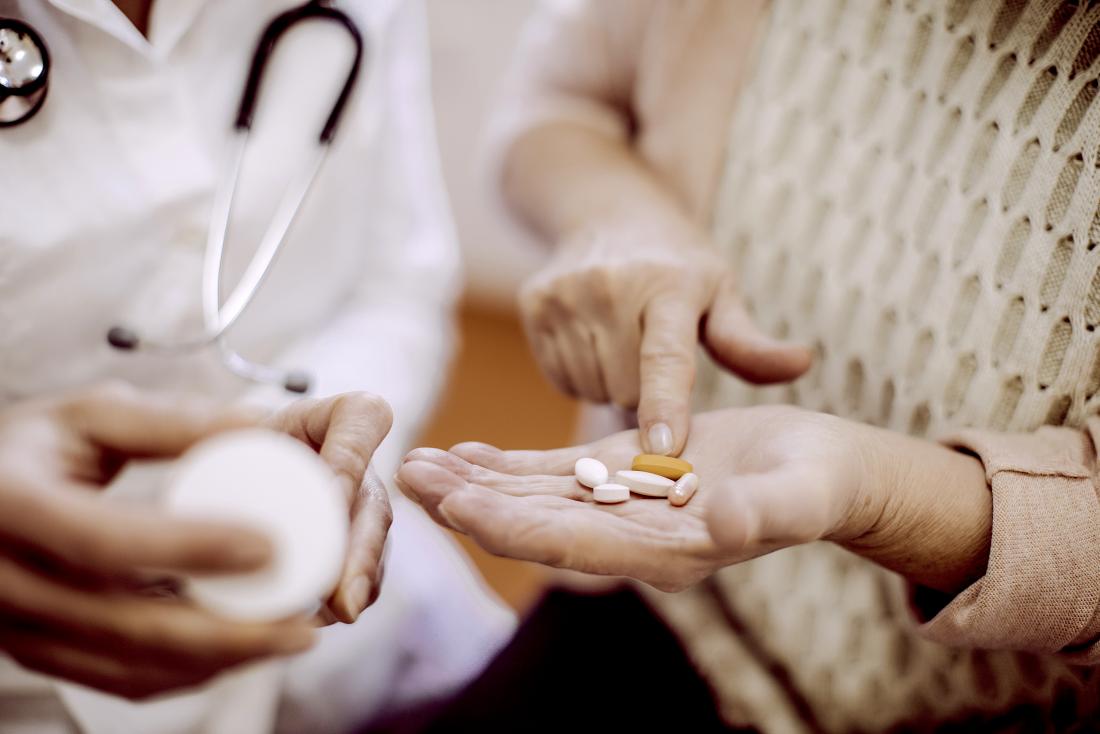
People must non cease a course of antibiotics halfway through. If in doubt, they can ask their doctor for advice.
People usually take antibiotics by mouth. However, doctors can administer them by injection or use them directly to the part of the body with infection.
Well-nigh antibiotics start combating infection within a few hours. Complete the whole course of medication to prevent the return of the infection.
Stopping the medication before the form has finished increases the risk that the bacteria will become resistant to futurity treatments. The ones that survive will have had some exposure to the antibiotic and may consequently develop resistance to it.
An private needs to complete the form of antibiotic treatment even afterward they meet an comeback in symptoms.
Do not take some antibiotics with sure foods and drinks. Accept others on an empty tum, about an hr before meals, or 2 hours subsequently. Follow the instructions correctly for the medication to be constructive. People taking metronidazole should not potable alcohol.
Avert dairy products when taking tetracyclines, as these might disrupt the assimilation of the medication.
Read the article in Castilian.
brewsterhatte1962.blogspot.com
Source: https://www.medicalnewstoday.com/articles/10278
0 Response to "How Do You Know Antibiotics Treat Bacteria"
Post a Comment